

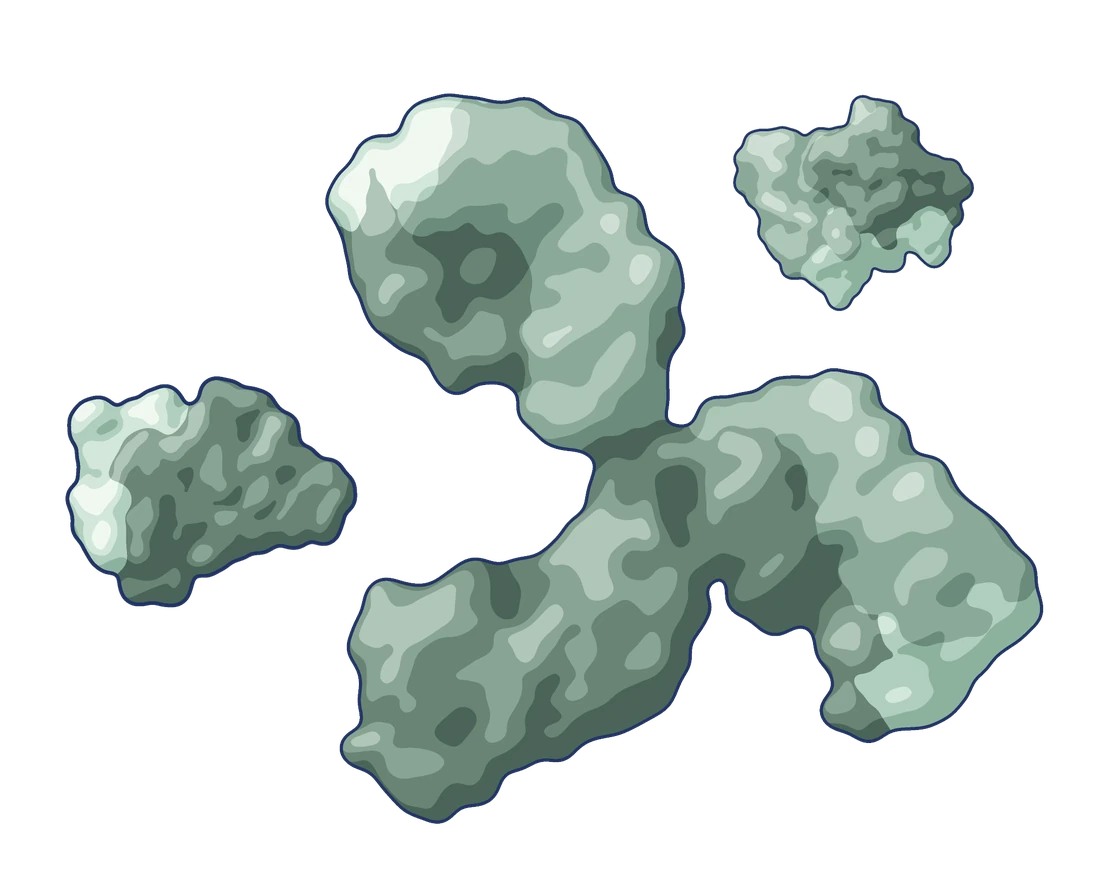
Antibody Technology Group
We specialize in antibody discovery and synthetic biology, with a core focus on affordable biotherapeutics and diagnostics for neglected tropical diseases and other infectious diseases.
The questions we work on
What makes a venom?
Toxins from snakes, scorpions, spiders, and bees serve as the targets our antibodies are made to neutralize.
Can one antibody stop many toxins?
Human monoclonal antibodies with special binding properties, for broad neutralization and diagnostics.
Can we make antivenoms more accessible?
Nanobodies and other binding proteins, discovered with phage display technology.
Can we design better binders?
Protein engineering and AI for improving affinity, specificity, and regulation.
Plays from YouTube when you press play.
In the Antibody Technology Group, we believe that science should be conducted for the benefit of society. We specialize in antibody discovery and synthetic biology, and we have a core focus on developing affordable biotherapeutics and diagnostics for neglected tropical diseases and other infectious diseases. We employ phage display technology for discovery of human monoclonal antibodies, nanobodies, and other binding proteins, as well as we utilize synthetic biology and DNA sequencing in much of our experimental work.
We have a strategic technological focus on developing monoclonal antibodies with special binding properties. These types of antibodies can be used for broad neutralization of multiple targets at low dose or selective targeting of critical factors involved in pathogenesis. Our capabilities in this field allow us to design advanced biotherapeutics based on oligoclonal antibodies, biotherapeutics that are homed to distinct anatomical sites, and robust antibodies for diagnostics.
A key area of our interest is the neutralization of protein-based toxins. Here, we have developed panels of antibodies that can neutralize toxins from snakes, scorpions, spiders, and bees. These antibodies are part of a larger mission to enable the development of recombinant antivenoms that can replace current envenoming therapies based on plasma-derived polyclonal antibodies.
The following TEDx Talk briefly explains the relevance and importance of the research done by the Antibody Technology Group.
From venom to antibody
- 1
Venom
A venom is a mixture of many toxins. Venomics shows which ones are there, and how much of each.
- 2
Targets
The toxins that do the most harm are chosen as targets.
- 3
Discovery
Phage display sifts large libraries of antibodies and nanobodies for the few that bind those toxins.
- 4
Testing
The best binders are combined into a mixture and tested for how well they neutralize whole venom.
Snake Venomics Display
No two venoms are alike, which is why one antivenom rarely works across species.
How much venom a snake injects, and which toxins it contains, decides how severe a bite is. Our Snake Venomics Display shows venom compositions at a glance.
Point at a colour to see what that toxin family does.
Our progress
- 2018
A mixture of human antibodies neutralizes the dendrotoxins of black mamba venom in mice.
Nature Communications - 2023
One human antibody, found with phage display, neutralizes long-chain α-neurotoxins from several snakes.
Nature Communications - 2025
Proteins designed with deep learning neutralize three-finger toxins and protect mice from a lethal neurotoxin dose.
Nature - 2025
Eight nanobodies in one recombinant antivenom prevent lethality from the venoms of 17 African elapid snakes (cobras, mambas and a rinkhals) in mice.
Nature
Recent publications
Curious?
Our team, from North to South
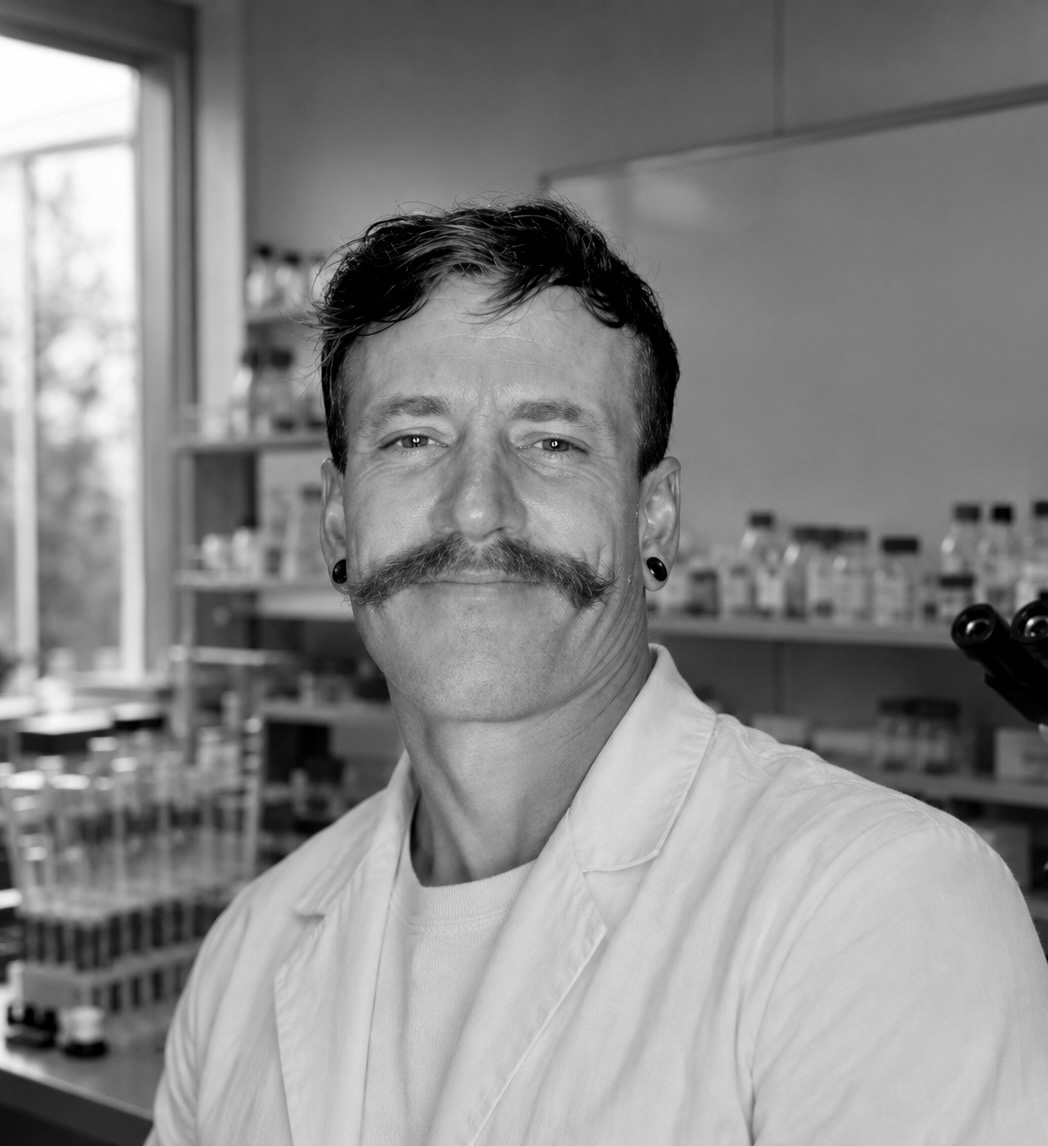
Our lab is located in the Department of Biotechnology and Biomedicine at the Technical University of Denmark (DTU). Here, we welcome new members from all around the world to join our team of hard-working scientists with an entrepreneurial mindset who strive to use science for societal impact.
Meet the team

























Join us!
In the Antibody Technology Group we are always excited to hear from passionate scientists and students, who have an interest in joining our research group.
How to apply